
Analogue vs Digital FPV: What's the Difference and Which System Should You Choose?
Posted by Roman on 9th Oct 2026
Analogue vs Digital FPV: Key Differences and How to Choose the Right System
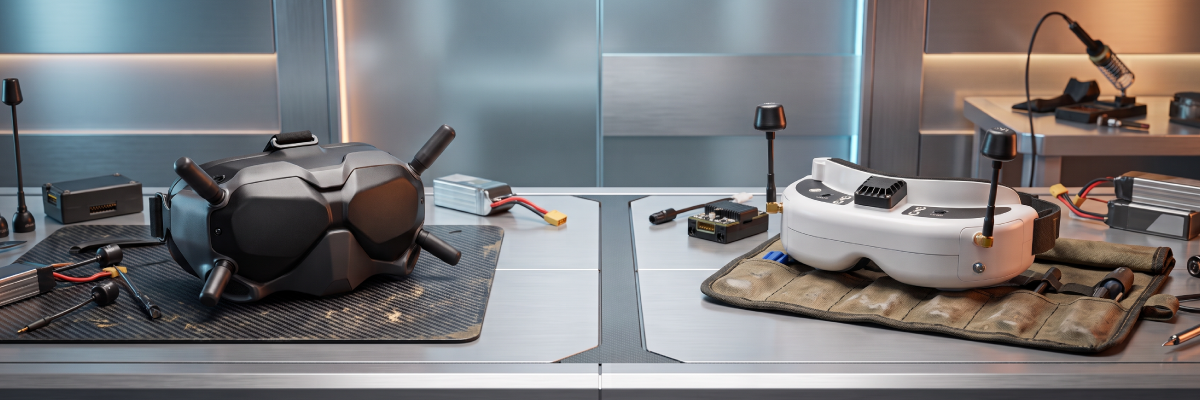
Getting into FPV means making a few important choices, and one of the biggest is whether to fly with an analog FPV or digital FPV system. Both send a live video feed from your drone's camera to your goggles, but they do it in very different ways. That affects image quality, latency, price, and hardware compatibility. There is no universal winner because the best option depends on how and where you fly.
How Analog FPV Systems Work
An analogue FPV system sends a continuous video signal over radio frequencies, most commonly the 5.8 GHz band. As the signal becomes weaker, the image does not disappear instantly. Instead, it gradually fills with static and noise before finally dropping out. This gives pilots visual warning that they are reaching the edge of reliable coverage.
Although the technology has been around for decades, analogue remains widely used because it is simple, dependable, and supported by a huge range of equipment. Cameras, video transmitters (VTX), and goggles from many manufacturers are often compatible with one another, making upgrades and replacements much easier.
Another major advantage is latency. Most analogue setups stay below 20 ms, which is why they remain a popular choice for racing and aggressive freestyle flying. The components are also lightweight and compact, making them ideal for micro drones and affordable builds. Rather than being outdated, analogue continues to be a practical solution for pilots who value speed, flexibility, and lower costs.
How Digital FPV Systems Work
A digital FPV system works differently by converting the camera feed into digital data before transmitting it to the goggles. This allows the pilot to see a much sharper image, usually in 720p or even 1080p, depending on the hardware. The clearer picture makes it easier to spot obstacles, judge distance, and enjoy a more immersive flying experience.
Today, the three leading digital platforms are DJI FPV, Walksnail Avatar, and HDZero. Each uses its own proprietary ecosystem, so goggles, cameras, and video transmitters are designed to work only within that specific brand. Mixing components across different systems is generally not possible, which makes the initial choice more important.
Digital transmission also behaves differently when the signal weakens. Instead of slowly becoming noisy like analogue, the image usually stays clean until the connection can no longer be maintained, after which it drops suddenly. Latency is typically higher than analogue, ranging from about 25 to 50 ms depending on the system and video settings. Choosing digital therefore means choosing not only higher image quality but also committing to a particular hardware ecosystem.
Analogue vs Digital FPV — Head-to-Head Comparison
Looking at individual features is helpful, but seeing both systems side by side makes the differences easier to understand. While they serve the same purpose, they deliver a very different flying experience.
|
Feature |
Analogue FPV |
Digital FPV |
|
Video quality |
Lower resolution, visible static |
HD (720p–1080p), sharp and clear |
|
Latency |
Very low (~10–20ms) |
Higher (~25–50ms) |
|
Signal behavior |
Gradual degradation |
Stable until abrupt dropout |
|
Cost |
Lower — budget-friendly |
Higher — goggles and VTX cost more |
|
Component compatibility |
Cross-compatible across brands |
Locked to one ecosystem |
|
Weight |
Very lightweight options available |
Heavier components |
|
Best use case |
Racing, freestyle, budget builds |
Cinematic, long range, immersive flying |
The comparison makes one thing clear: there is no universal winner. A pilot chasing podium finishes will often value fast response over image quality, while someone filming mountain landscapes may happily accept a little extra latency for a crisp HD view. Your budget, flying style, and the equipment you already own are usually the deciding factors.
Latency in Analogue and Digital FPV Systems
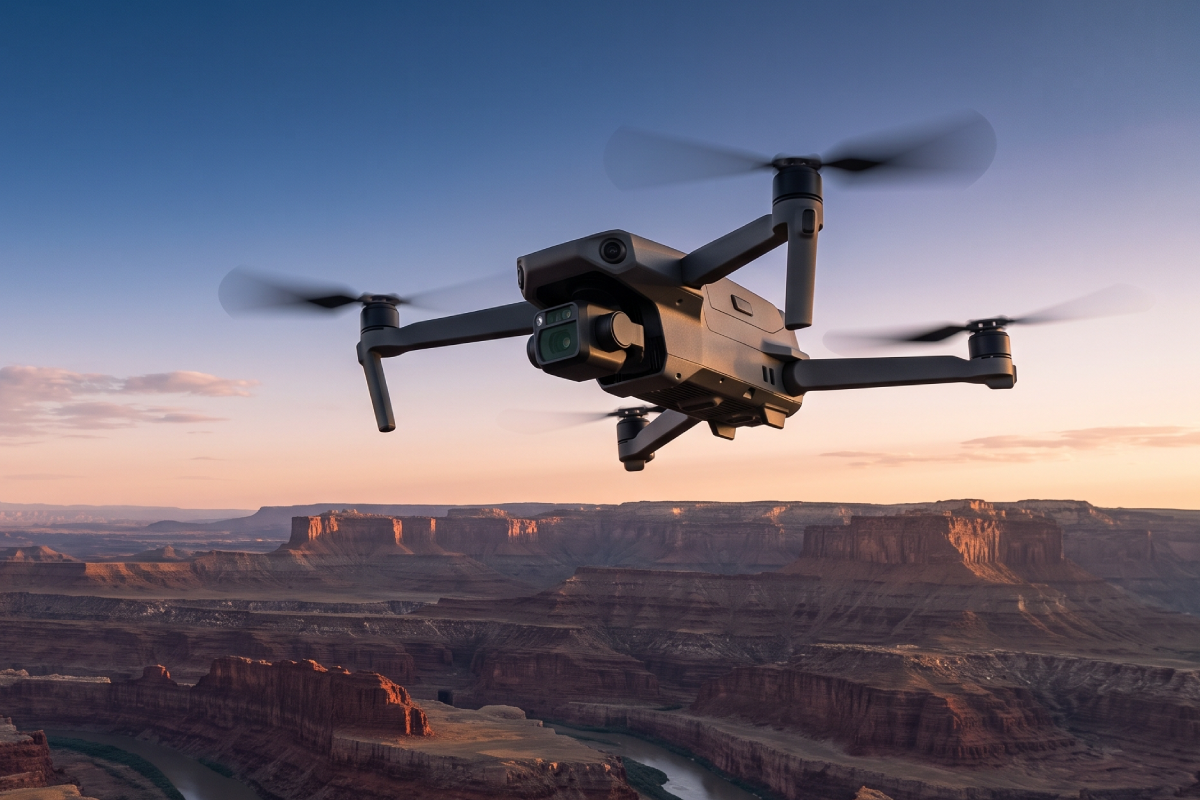
Latency is the small delay between what the drone's camera captures and what appears in your goggles. On paper, the difference may look minor. In the air, it can change how connected you feel to the quad.
With analogue FPV, that delay is extremely short, which is why many racing pilots and freestyle enthusiasts still rely on it. Quick corrections feel immediate, especially when flying through tight gaps or reacting to unexpected obstacles.
Modern digital FPV systems have improved a lot and are much faster than earlier generations. For cinematic flights, long-range missions, or relaxed cruising, the extra delay is rarely noticeable. During high-speed racing or technical freestyle, however, many experienced pilots continue to prefer analogue because its response feels more direct and predictable. When choosing components from a drone store, it is worth comparing not only image quality but also latency, as the difference becomes much more noticeable in demanding flying conditions.
Cost Comparison: Analogue vs Digital FPV Gear
Budget is often one of the biggest factors when choosing an FPV system. An analogue camera or VTX can cost as little as $12–$40, making repairs and upgrades relatively inexpensive. There are also analogue goggles available across a wide price range, so getting started does not require a major investment.
A digital FPV setup costs more from the beginning. Goggles alone can run into several hundred dollars, and compatible cameras and video transmitters also carry higher prices. Competition between manufacturers is gradually bringing costs down, but digital still requires a larger upfront budget.
If you plan to own several quads or expect the occasional hard crash, analogue usually keeps replacement costs under control. On the other hand, pilots who want the best viewing experience and intend to build one high-quality setup often find the extra investment worthwhile. If you're planning to buy drones, it's worth considering the video system before purchasing, since it will influence future upgrades and compatibility.
Which FPV System Is Better for Beginners?
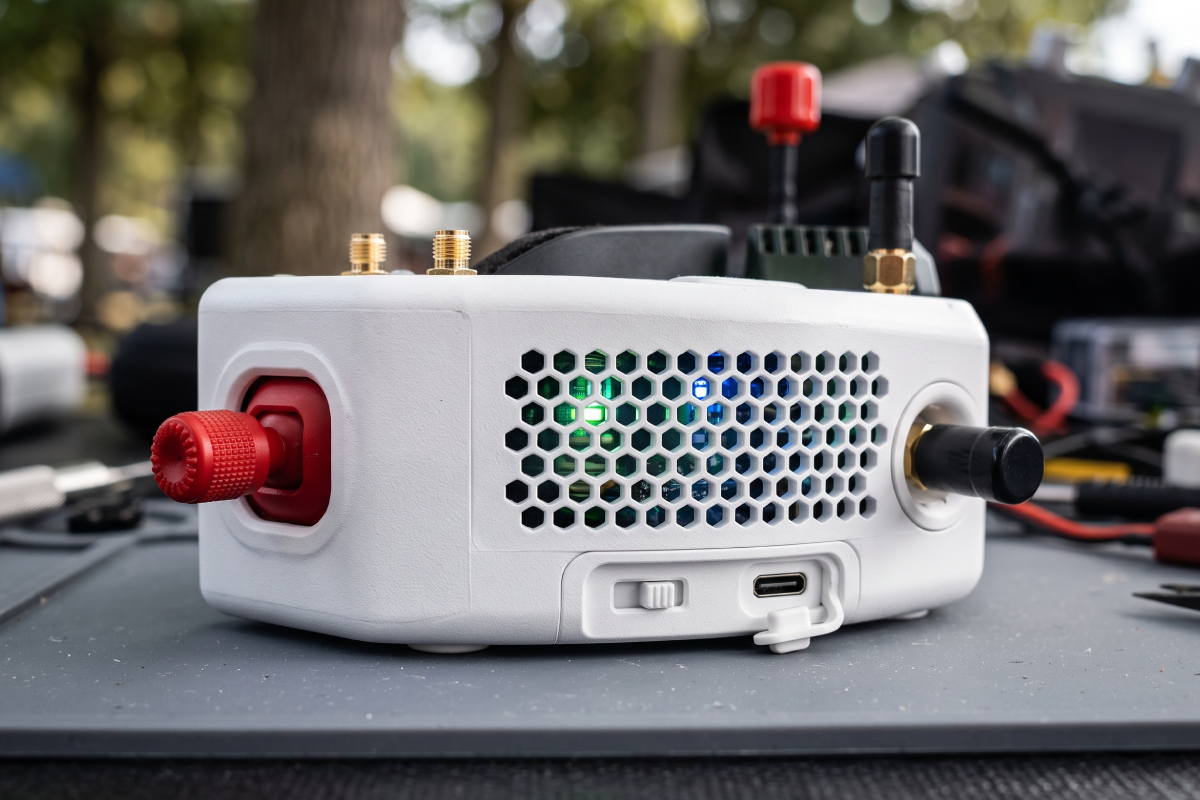
For most new pilots, the first priority is learning to fly without worrying about expensive repairs. That's one reason analogue FPV remains a common starting point. Crashes are part of the learning process, and replacing analogue cameras or video transmitters usually costs much less than replacing digital hardware.
At the same time, digital FPV offers a clearer view of the surroundings. A sharper image can make it easier to judge distances, spot branches, and pick a safe flight line. Some pilots begin with analogue to keep costs under control, then move to digital once they feel more confident.
Many ready-to-fly (RTF) kits still come with analogue equipment, while digital setups often require choosing compatible FPV Cameras, goggles, and VTX hardware. There is no single right path. If racing or freestyle is your goal, analogue is a sensible place to start. If cinematic flying is what excites you most, investing in digital from the beginning can also make sense.
Digital FPV Ecosystems: DJI, Walksnail, and HDZero
The digital FPV market is built around three major ecosystems, and each takes a slightly different approach.
- DJI FPV is the best-known option. It delivers excellent image quality and dependable performance, but it also comes with premium pricing and a tightly controlled ecosystem.
- Walksnail Avatar has become a popular alternative. It offers a broad selection of cameras and video transmitters while remaining more affordable than DJI for many pilots.
- HDZero is especially popular among racers. Its transmission technology is designed to keep latency as low as possible, making it attractive for pilots who value fast response over maximum image quality.
One thing all three systems have in common is compatibility—or rather, the lack of it. Goggles, cameras, and VTX units from one ecosystem generally will not work with another.
Frequently Asked Questions
What is the difference between analogue and digital FPV?
The main difference is how the video is transmitted. Analogue FPV sends a continuous signal that gradually becomes noisy as reception weakens. Digital FPV converts video into data, producing a sharp HD image that usually stays clear until the signal drops.
Is digital FPV worth the extra cost?
For many pilots, yes. If you enjoy cinematic footage, long-range flights, or simply want the clearest possible view, digital is a worthwhile investment. If your focus is racing, freestyle, or learning on a budget, analogue still delivers excellent performance.
Which FPV system has the lowest latency?
Analogue remains the leader in latency, typically staying below 20 ms. Digital systems are much faster than they were a few years ago, but they generally operate between 25 and 50 ms. That difference matters most in competitive racing and technical freestyle.
Can I use analogue and digital gear together?
In most cases, no. DJI, Walksnail, and HDZero each use their own ecosystem, and their cameras and video transmitters are not compatible with one another or with standard analogue gear. Some goggles can receive analogue through optional modules, but compatibility is still limited.
Is analogue FPV outdated?
Not at all. It continues to be widely used because it is affordable, lightweight, reliable, and offers exceptionally low latency. Many experienced pilots still choose it for demanding flights.
What digital FPV system is best for beginners?
There is no single answer. Walksnail is often seen as a good balance of price and features, DJI is known for polished performance, and HDZero appeals to racers. The best choice depends on your budget, flying style, and the ecosystem you plan to build around.
Does digital FPV affect drone weight?
Usually, yes. Digital cameras and VTX units are generally heavier than comparable analogue components, which is why many micro and ultralight builds still rely on analogue hardware.