
LiPo vs Li-Ion Batteries for FPV Drones: Which Is Right for Your Flying Style?
Posted by Roman on 9th Oct 2026
LiPo vs Li-Ion Batteries for FPV Drones: Choosing the Right Cell for Your Build
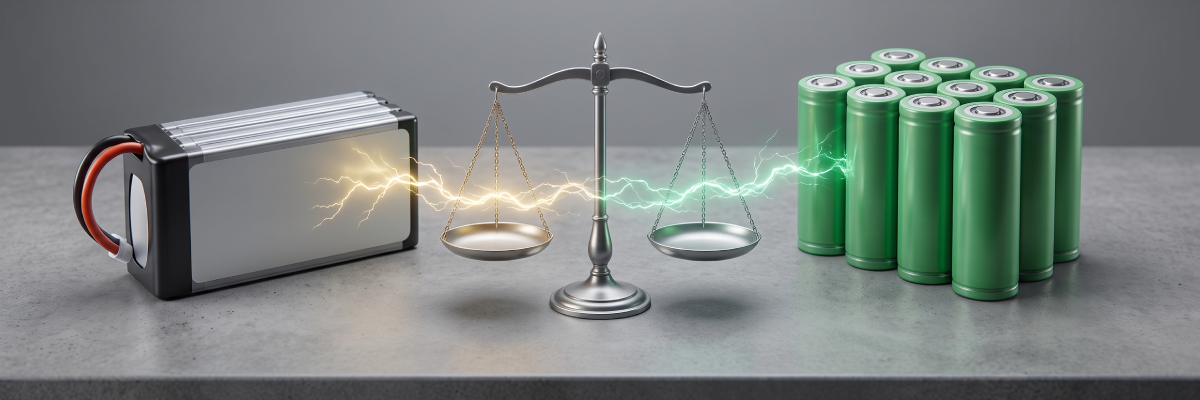
If you're shopping for an FPV quadcopter, you'll probably notice three abbreviations almost immediately: RTF vs BNF vs PNP drones. At first glance, they can look confusing, but they simply describe how complete a drone kit is before your first flight. Some models include everything you need to fly, while others expect you to already own part of the equipment. Understanding these labels helps you avoid buying the wrong setup and spending more than necessary. Whether you're a complete beginner or already have some FPV experience, this guide explains what each option offers and who it suits best.
How LiPo Batteries Work and Why Freestyle Pilots Use Them
A LiPo battery is built with lithium polymer cells in a lightweight pouch format. Its biggest strength is an extremely high discharge rate. Packs with a C rating of 60C, 80C, or even 100C are common, allowing them to deliver huge bursts of current with very little voltage sag. That instant power is exactly what a freestyle drone or racing build needs during punch-outs and rapid throttle changes.
Most FPV pilots choose 4S or 6S packs because they offer the balance of power and battery weight needed for modern builds. A typical LiPo battery FPV freestyle setup with a 4S 1300–1500mAh pack usually stays in the air for around three to five minutes when flown aggressively. With proper charging and storage, most quality packs last roughly 300–500 charge cycles before performance starts to decline.
How Li-Ion Batteries Work and Why Long-Range Pilots Use Them
Unlike LiPo packs, a Li-Ion battery uses rigid cylindrical cells. In FPV, the most common choices are the 18650 cell and 21700 cell, with Molicel being one of the best-known manufacturers. Their main advantage is much higher energy density, allowing significantly more battery capacity for a similar pack weight.
The trade-off is a lower discharge rate, usually between 5C and 15C. That is not enough for repeated full-throttle freestyle moves, but it works well for smooth cruising where motor current draw stays consistent. This is why Li-Ion battery long-range FPV builds are so popular. A well-tuned 4S or 6S pack can often deliver 20–30 minutes of flight time, while safely reaching a lower safe discharge voltage of around 3.0V per cell, making better use of the available energy.
LiPo vs Li-Ion — Key Differences at a Glance
Choosing a LiPo vs Li-Ion battery drone setup becomes much easier once you compare how each battery behaves in the air rather than on paper.
|
Feature |
LiPo |
Li-Ion |
|
Cell format |
Soft pouch |
Cylindrical (18650 / 21700) |
|
Discharge rate (C rating) |
60C–100C+ |
5C–15C |
|
Energy density |
Lower |
Higher (~2× capacity per gram) |
|
Voltage sag under load |
Low (with quality packs) |
Higher under burst demand |
|
Typical flight time (FPV) |
3–5 min (freestyle) |
20–30+ min (long range) |
|
Weight |
Lighter for same capacity |
Heavier per cell, but higher capacity |
|
Charge time |
Fast (20–30 min at 2–3C) |
Slower (1–2 hours at 1C) |
|
Lifespan |
300–500 cycles |
500+ cycles |
|
Best use case |
Freestyle, racing, 5-inch |
Long range, cruising, efficiency builds |
There is no rule saying an FPV pilot has to choose only one chemistry. Many experienced pilots keep both in their field bag. A LiPo comes out for freestyle or racing sessions, while a Li-Ion pack is the obvious choice when the plan is to stay in the air as long as possible.
Why LiPo Is Still the Default Choice for 5-Inch FPV Freestyle
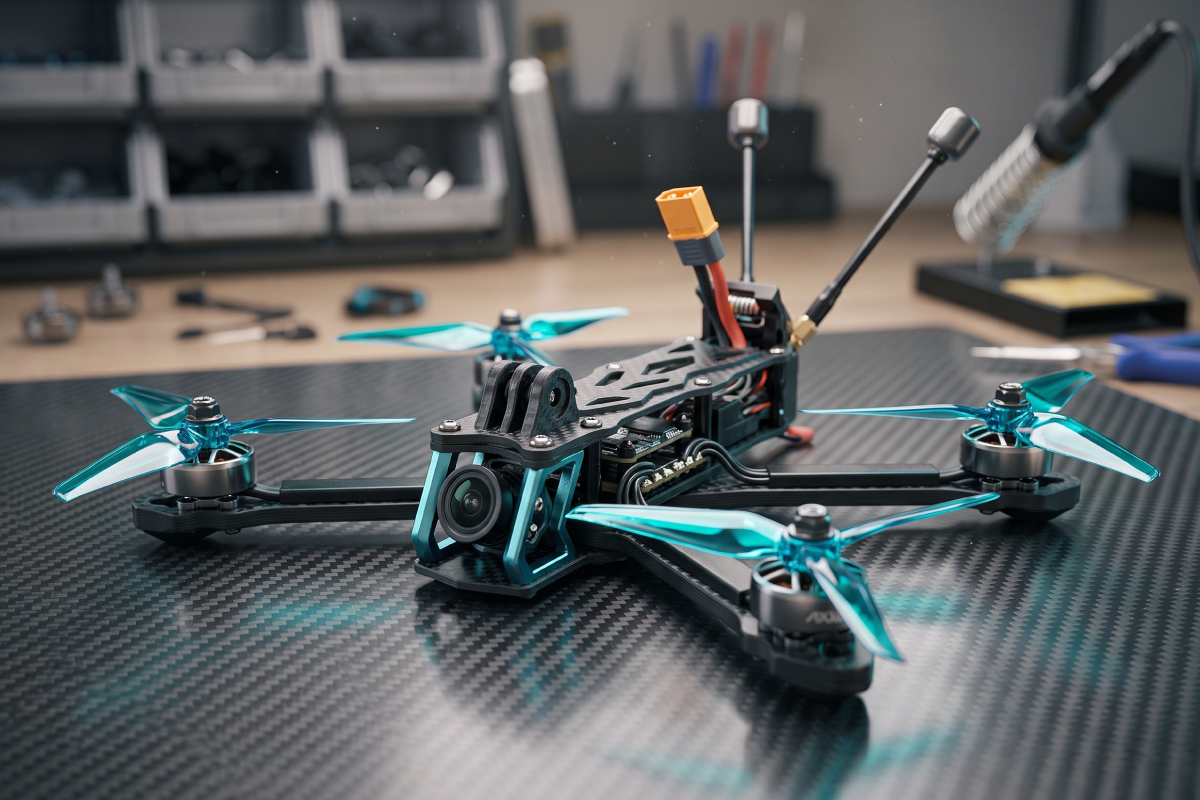
A 5-inch quad places extreme demands on its power system. During a hard punch-out, motor current draw can briefly reach 80–150A. That is exactly where a LiPo battery shines. Its low internal resistance and high LiPo battery C rating keep power delivery stable, so the motors respond instantly every time you move the throttle.
A Li-Ion battery simply is not designed for that kind of load. Cells rated at 5C–15C suffer noticeable voltage sag when pushed this hard. As voltage drops, throttle response becomes inconsistent, and both the flight controller and ESC can receive unstable power. For aggressive freestyle, a quality 4S or 6S pack in the 1300–1550mAh range is still the right answer. Li-Ion can work for relaxed cruising on the same quad, but it is not the battery most freestyle pilots would choose.
When Li-Ion Beats LiPo: Long-Range and Efficiency FPV Builds
Not every FPV build spends its life at full throttle. A long-range drone or efficiency-focused platform usually flies at a steady cruising speed, where current draw stays predictable instead of spiking every few seconds. In that situation, the lower discharge capability of a Li-Ion battery is rarely a disadvantage.
A 4S 18650 cell pack with around 3400mAh weighs close to a 4S 1600mAh LiPo, yet it carries roughly twice the usable capacity. That extra energy translates directly into longer flight time, often 20–30 minutes on a well-optimized aircraft. Li-Ion packs can also discharge safely to about 3.0V per cell, giving pilots even more usable runtime. For mapping, exploration, or extended cruising, FPV drone batteries built with Li-Ion cells are often the more practical option.
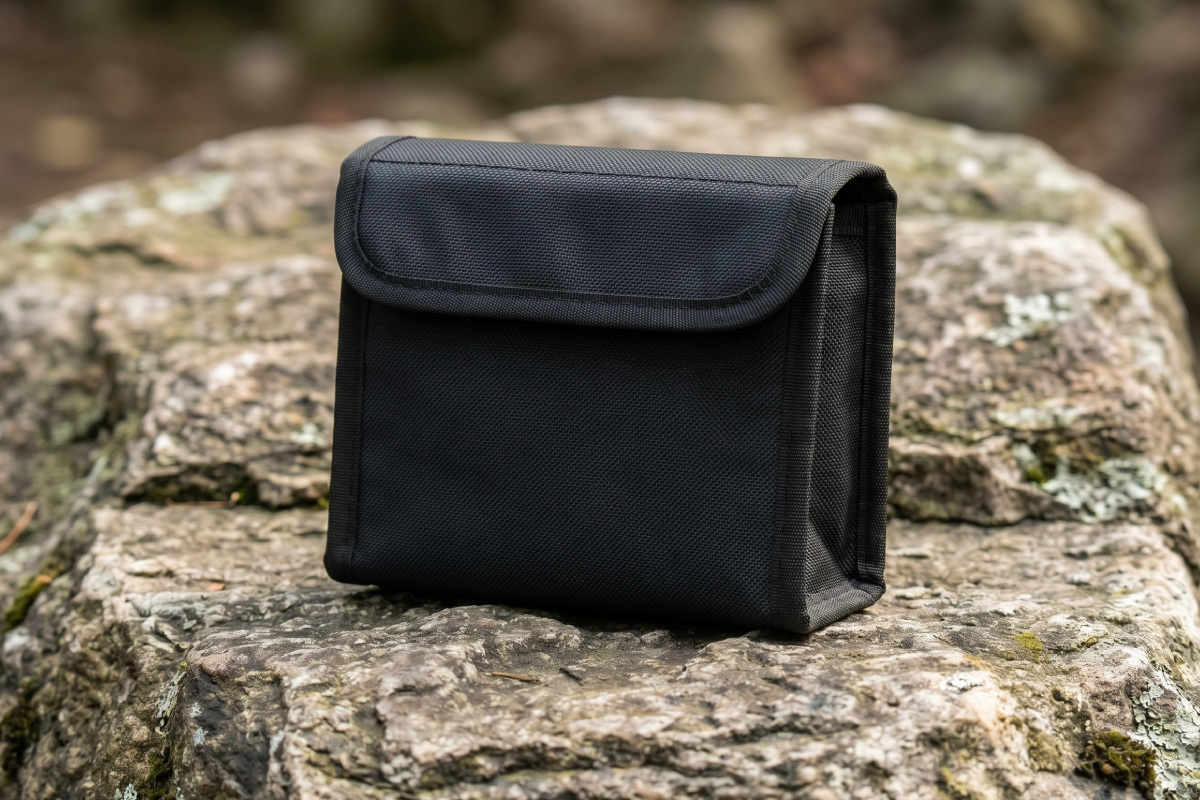
Performance matters, but battery safety should never be an afterthought. A LiPo battery uses a soft pouch, so it is more vulnerable to punctures, hard impacts, and overcharging. Any of these can lead to a puffed pack or, in the worst case, a fire. For that reason, never leave a LiPo charging unattended and always use a fire-safe LiPo bag.
A Li-Ion battery has a rigid metal casing and is generally more resistant to physical damage, although it still requires careful handling. Both battery types should be charged with a balance charger, stored at about storage voltage (3.8V per cell), and replaced immediately if they become swollen or damaged.
Practical Battery Tips for FPV Pilots
Good battery care takes only a few minutes and helps extend battery health while reducing unnecessary risks. If you are choosing drone battery chargers, make sure the model supports both LiPo and Li-Ion charging modes.
- Use the correct charging mode for each battery chemistry.
- Charge at 1C for everyday use. Some premium LiPo packs safely support 2–3C charging.
- Return packs to about 3.8V per cell if they will sit unused for several days.
- Let batteries cool after landing before connecting them to the charger.
- Check for swelling, damaged wires, or loose XT60 connectors before every session.
- Rotate your spare packs to spread charge cycles more evenly.
- Charge inside a fire-safe bag, regardless of battery type.
Which Battery Should You Choose? A Scenario-Based Summary
The easiest way to decide is to match the battery to the way your aircraft is used.
- 5-inch freestyle or racing → LiPo 4S or 6S, 1300–1500mAh, 60C or higher.
- Cinematic or smooth flying → Higher-capacity LiPo (1800mAh+) or a lightweight Li-Ion pack for gentle cruising.
- Long-range cruising or survey work → Li-Ion 18650 cell or 21700 cell pack, 4S or 6S, 3000–4500mAh.
- Micro and Tiny Whoop builds → LiPo remains the better option because Li-Ion adds too much weight.
- Pilots who do both → Keep both battery types and choose the one that matches the aircraft.
Most pilots begin with LiPo because it covers nearly every freestyle and racing setup. Later, when they buy drones for long-range flying or build an efficiency-focused quad, adding a dedicated Li-Ion pack becomes a practical next step rather than a replacement for the batteries they already own.
Frequently Asked Questions (FAQ)
What is the main difference between LiPo and Li-Ion batteries for FPV drones?
LiPo delivers higher burst power and is the preferred choice for freestyle and racing. Li-Ion offers greater energy density, making it better for long-range flights.
Can I use a Li-Ion battery on a 5-inch freestyle quad?
It will work for gentle cruising, but it cannot match the high current demands of aggressive freestyle. Most pilots choose LiPo instead.
How long does a LiPo battery last on a freestyle drone?
A 4S 1300–1500mAh LiPo usually provides 3–5 minutes of hard flying. A 4S or 6S Li-Ion pack can often reach 20–30 minutes on an efficient long-range build.
How long can a Li-Ion battery power a long-range FPV drone?
A well-tuned long-range FPV drone with a 4S or 6S Li-Ion battery rated at 3000–4500mAh can often stay in the air for 20–30 minutes or longer. Actual flight time depends on cruising speed, weather conditions, payload, and how efficiently the quad is built.
Are Li-Ion batteries safer than LiPo?
Li-Ion cells are protected by a rigid metal case, making them more resistant to everyday handling than soft LiPo packs. Even so, neither battery is maintenance-free. Safe charging, correct storage, and regular inspections are essential, and any damaged battery should be removed from service immediately.
What C rating do I need for FPV freestyle?
For a 5-inch freestyle quad, choose a LiPo battery C rating of at least 60C. Many pilots prefer 80C or above for more consistent power during hard punch-outs. Keep in mind that advertised C ratings are not always measured the same way, so a reliable brand is usually more important than the biggest number on the label.
Can I use the same charger for LiPo and Li-Ion batteries?
Yes, provided your balance charger supports both battery chemistries. Before charging, select the correct mode for the pack you are using. Choosing the wrong setting may overcharge the battery, reduce its lifespan, or create a safety risk. Always check the charger's specifications before connecting a pack.