
RTF vs BNF vs PNP Drones: What's the Difference and Which One Is Right for You?
Posted by Roman on 9th Oct 2026
RTF vs BNF vs PNP Drones: What Each Label Actually Means
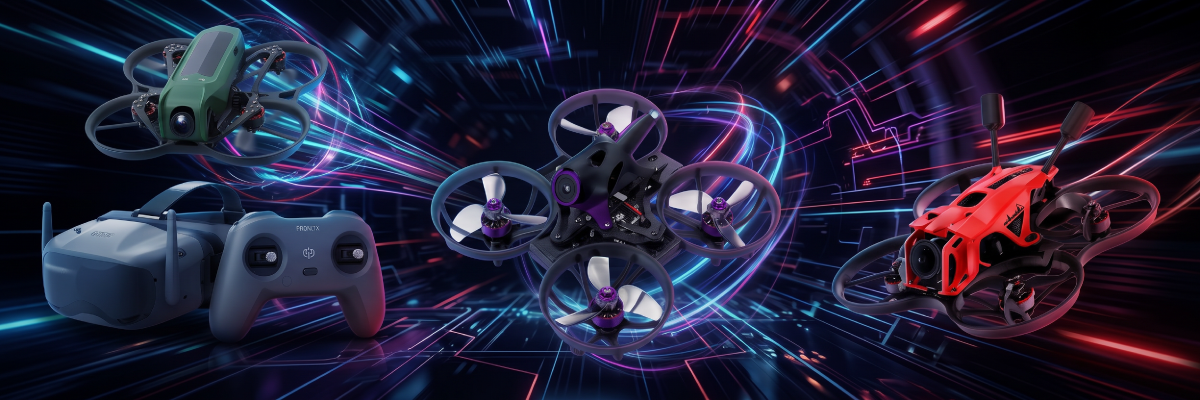
If you're shopping for an FPV quadcopter, you'll probably notice three abbreviations almost immediately: RTF vs BNF vs PNP drones. At first glance, they can look confusing, but they simply describe how complete a drone kit is before your first flight. Some models include everything you need to fly, while others expect you to already own part of the equipment. Understanding these labels helps you avoid buying the wrong setup and spending more than necessary. Whether you're a complete beginner or already have some FPV experience, this guide explains what each option offers and who it suits best.
What Is an RTF Drone?
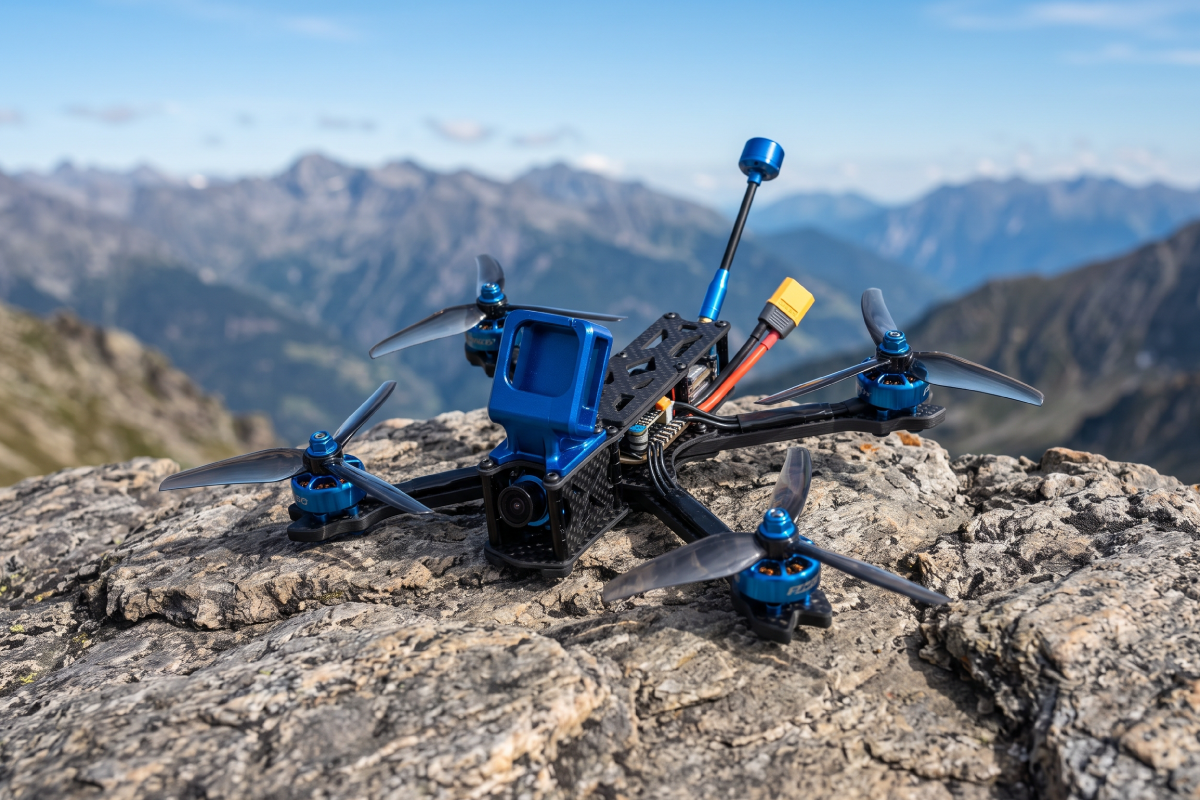
Many beginners ask what an RTF drone is because it is often the first option they see in online stores. The RTF drone meaning is simple: RTF stands for Ready-To-Fly. A ready-to-fly drone arrives with almost everything required to get into the air. In most cases, the drone kit includes the quadcopter, a radio controller, a receiver, a LiPo battery, a charger, and usually FPV goggles.
Very little drone setup is needed before flying. You may only need to charge the battery and complete a few basic checks. That makes RTF the easiest choice for someone with no experience in drone assembly or configuration. The included equipment is usually designed for beginners rather than long-term use. As pilots gain confidence, many decide to replace the radio transmitter, goggles, or batteries with higher-quality gear that better matches their flying style.
What Does BNF Mean in Drones?
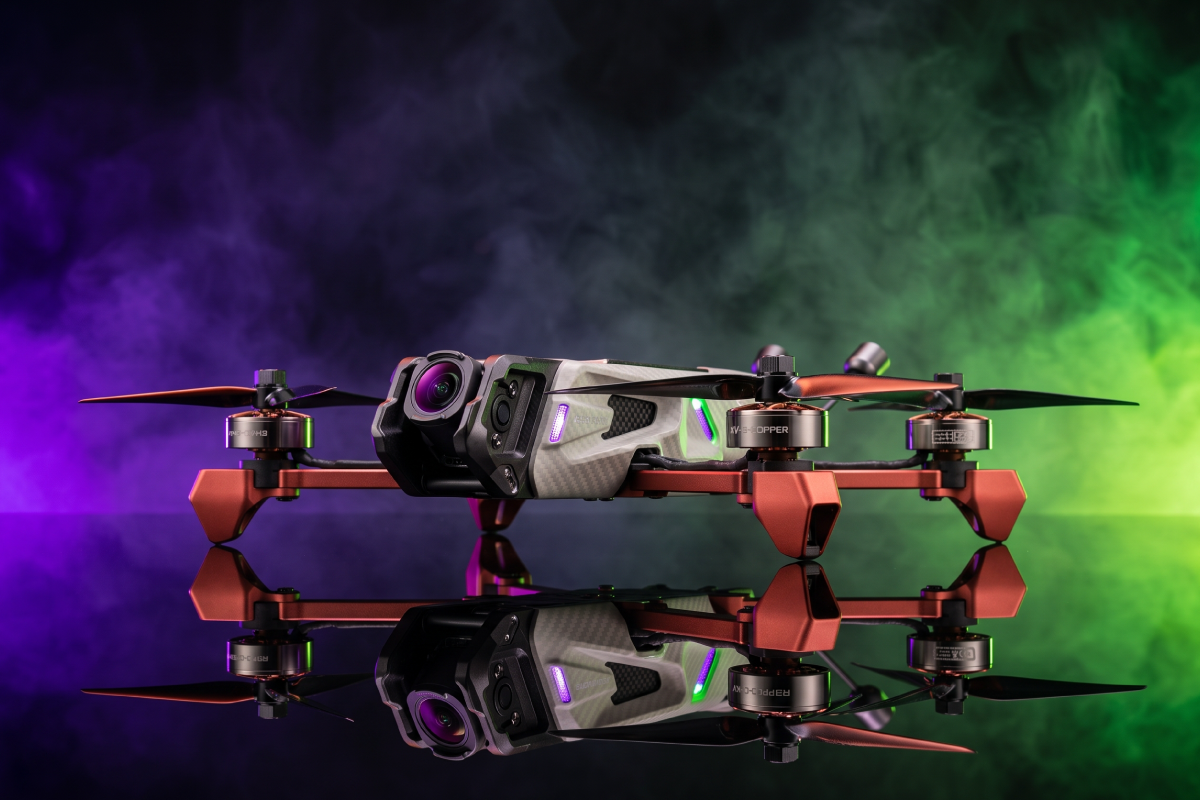
After learning about RTF models, many pilots start looking into BNF drone meaning to see whether it offers better value. So, what does BNF mean in drones? BNF stands for Bind-N-Fly, also known as a bind-and-fly drone. These drones arrive fully assembled with a compatible receiver already installed, but they do not include a radio controller, FPV goggles, or batteries.
Before flying, you simply connect your own transmitter to the drone through the binding process. As long as the installed receiver supports your preferred transmitter protocol, such as ELRS, FrSky, or Crossfire, binding usually takes only a few minutes.
A BNF model is a great option for pilots who already own reliable FPV equipment. Instead of paying again for entry-level accessories, they can continue using the gear they know while enjoying the convenience of a fully built prebuilt drone. This balance of flexibility and simplicity makes BNF a popular choice among intermediate FPV pilots.
What Is a PNP Drone?
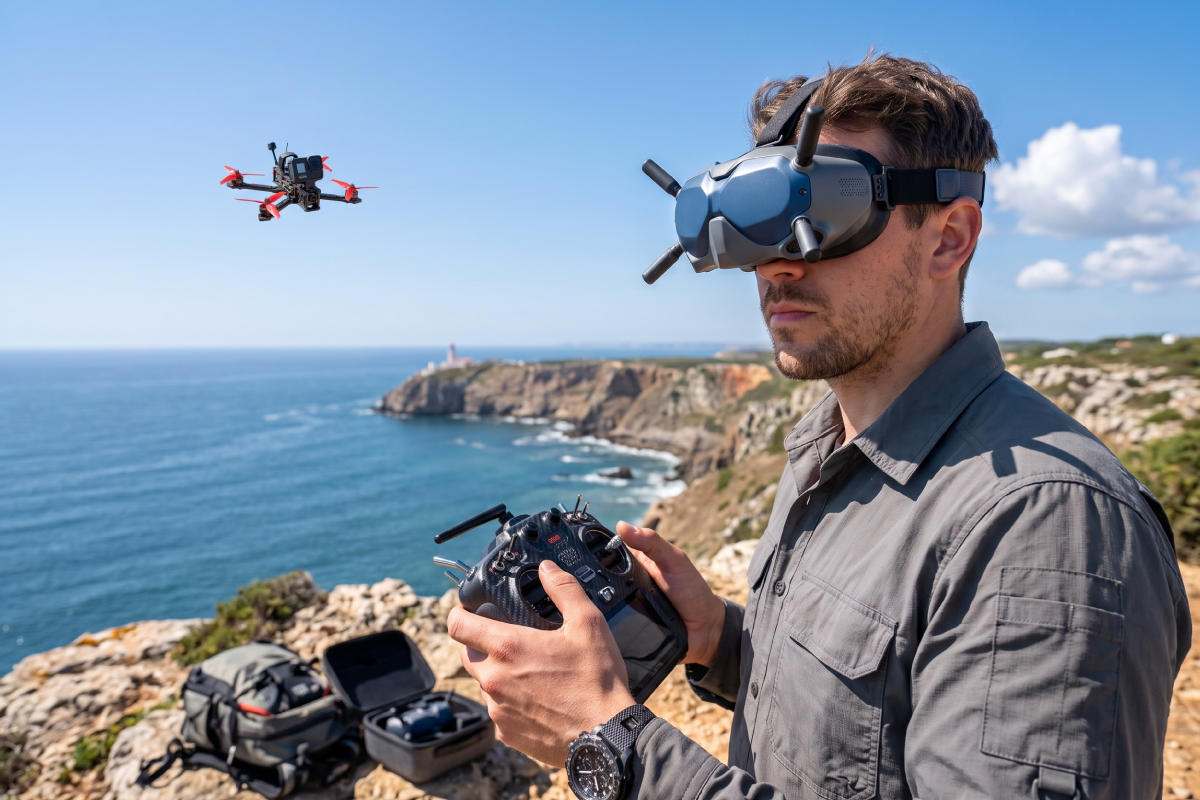
Understanding the PNP drone meaning is important if you're planning to customize your FPV setup. A plug-and-play drone (sometimes called PNF, or Plug-N-Fly) comes prebuilt with the main electronics, including the motor, ESC, flight controller, and often a camera and VTX. Unlike BNF models, however, it does not include a receiver, and some FPV components may also be left out.
Before the drone is ready to fly, you'll need to install your own compatible receiver, bind it to your transmitter, and complete the drone configuration in Betaflight or similar firmware. This takes more experience than setting up an RTF or BNF model, so PNP is generally aimed at intermediate and advanced pilots. If you browse a reliable drone store, you'll often see several PNP versions of the same quadcopter, giving you the freedom to choose the components that best match your existing equipment and future upgrade plans.
RTF vs BNF vs PNP — Side-by-Side Comparison
Although all three formats arrive as fully assembled drones, the contents of the package and the amount of preparation before flying are quite different.
|
Feature |
RTF |
BNF |
PNP |
|
Drone assembly |
Fully assembled |
Fully assembled |
Fully assembled |
|
Receiver |
Included |
Included |
Not included |
|
Radio controller |
Included |
Not included |
Not included |
|
FPV goggles |
Usually included |
Not included |
Not included |
|
Battery & charger |
Usually included |
Not included |
Not included |
|
Setup required |
Minimal |
Bind to transmitter |
Install receiver + configure |
|
Best for |
Beginners |
Intermediate pilots |
Advanced pilots |
The best option depends on the equipment you already own and how involved you want the setup process to be. Before you buy drones, think about whether you need a complete package or simply a new quadcopter that works with your existing gear. Choosing the right format from the start can save both time and money as your FPV skills develop.
BNF vs RTF — Which Is Better for a First Drone?
When comparing a BNF vs RTF drone, the right choice depends less on the drone itself and more on the equipment you already have. If you're buying your very first FPV quadcopter and don't own any gear, an RTF kit is the easier and safer option. It includes everything needed for a quick start, with no soldering or assembly required.
A BNF drone becomes the better choice once you already have a compatible radio transmitter and FPV goggles. Instead of paying for another entry-level controller or goggles, you can keep using equipment you trust. While RTF kits usually cost less upfront, many pilots eventually upgrade the included accessories. BNF often delivers better long-term value when paired with quality gear you already own, making it a practical step forward rather than a universally better option.
What About DIY and ARF Drone Builds?
RTF, BNF, and PNP are the most common choices, but they are not the only ones. Some pilots prefer a DIY drone, where every component is selected individually, from the frame and motors to the ESC, flight controller, receiver, FPV camera, and VTX. Others choose an ARF (Almost Ready to Fly) kit, which includes a partially assembled frame but still requires significant installation work.
Both approaches offer the highest level of customization, but they also demand more tools, technical knowledge, and patience. For beginners, they usually create more challenges than benefits. On the other hand, pilots who enjoy understanding exactly how their quadcopter works often find DIY and ARF builds both educational and rewarding.
Choosing the Right Drone Setup for Your Skill Level
Вставити картинку
Choosing the right drone isn't about buying the most advanced model. It's about finding a setup that matches your experience and the equipment you already own.
- Beginner with no gear → RTF is the quickest way to get into the air with minimal preparation.
- Pilot who already owns a radio transmitter and FPV goggles → BNF offers better value because you can keep using the gear you already trust.
- Experienced pilot who wants more flexibility → PNP lets you choose your own receiver and customize the electronics without starting from a full build.
- Advanced builder → DIY or ARF is the best option if you want complete control over every component.
Many FPV pilots start with an RTF or BNF drone and gradually upgrade their equipment as their skills improve. Over time, attention often shifts from the drone itself to supporting gear, including reliable battery chargers for drones, quality batteries, and replacement parts that make regular flying easier. Choosing a setup that fits your current experience gives you a smoother learning curve while leaving plenty of room for future upgrades.
Frequently Asked Questions (FAQ)
What does RTF mean in drones?
RTF stands for Ready-To-Fly. An RTF kit includes the drone, radio controller, receiver, battery, charger, and usually FPV goggles, so a beginner can get into the air with very little setup.
What does BNF mean in drones?
BNF means Bind-N-Fly. The drone arrives fully assembled with a receiver already installed, but the pilot must provide a compatible radio transmitter, FPV goggles, and batteries before flying.
What is a PNP drone?
PNP stands for Plug-N-Play. The quadcopter comes with the main electronics pre-installed, but it does not include a receiver. The pilot adds a receiver, binds it to a transmitter, and completes the configuration in firmware such as Betaflight.
What is the difference between RTF and BNF drones?
The main difference is the included equipment. RTF kits contain everything needed for the first flight, while BNF drones assume the pilot already owns a radio transmitter and goggles.
Can a beginner fly a PNP drone?
Usually not. A PNP model requires installing a receiver, binding it correctly, and configuring the drone, which is easier for pilots with some FPV experience.
Do BNF drones work with any radio controller?
No. The receiver inside the drone must match the transmitter protocol used by the radio, such as ELRS, FrSky, or Crossfire.
Is RTF or BNF better value?
If you are starting from zero, RTF usually offers better value because it includes all the required gear. If you already own quality FPV equipment, BNF lets you keep using it while still getting a fully assembled drone.