
Where Can I Fly My Drone in the UK? Legal Rules and Safe Locations
Posted by Roman on 29th Apr 2026
Flying a drone in the UK gives you access to amazing views – from wild coastlines to quiet countryside. But before searching “where I can fly my drone in the UK”, it’s important to understand the rules. The UK has its own system after Brexit and it’s different from EU laws. If you ignore the rules, you can face fines or serious problems. This guide explains in simple words how to fly safely and legally.
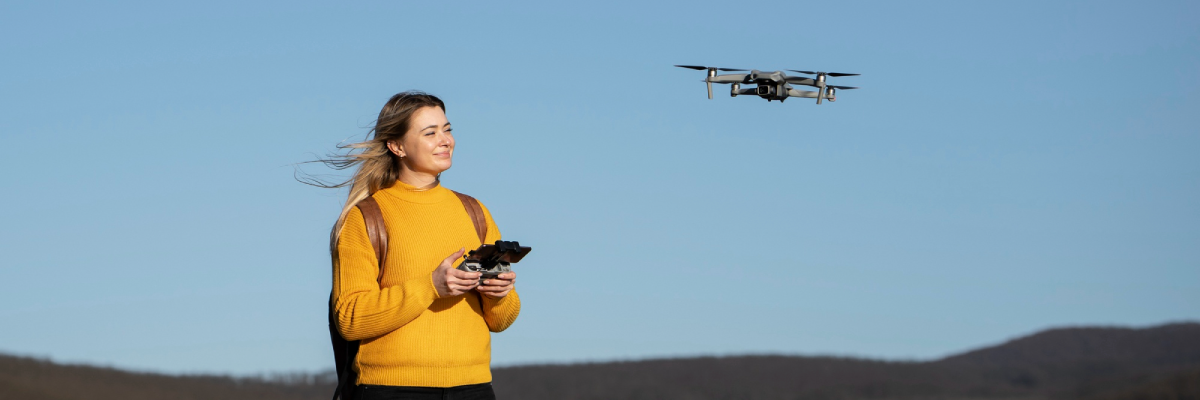
Essential Steps Before You Fly a Drone in the UK
Before your first flight you need to complete a few required steps. Here’s what you need to do:
- Register as a drone operator with the CAA (Civil Aviation Authority) to get your Operator ID;
- Pass a free online test to receive your Flyer ID (this is needed if you control the drone);
- Put your Operator ID clearly on your drone;
- Complete A1/A3 training if your drone requires it;
- Download the Drone Assist app from NATS to check your flight zone and nearby restricted airspace;
- Think about getting insurance – not always required, but strongly recommended.
These steps help you avoid problems and understand where you can legally fly. Once everything is ready, you can move on to choosing safe locations.
UK Drone Laws in 2025–2026: What's Changed?
Drone rules in the UK have changed over the past few years. Today, everything is managed by the CAA (Civil Aviation Authority), and the UK uses its own system after Brexit. If you’re trying to understand where you can fly your drone in the UK, these rules are your starting point.
Here are the key things to know:
- The altitude limit (120m) applies in most cases within the open category
- You must always keep your drone in VLOS (Visual Line of Sight) – you need to see it with your own eyes
- New drone classes (C0–C4) are being introduced, but older models can still be used under current rules
- Even sub-250g drones like DJI Mini require an Operator ID if they have a camera
- Flying in no-fly zones, near airports, or over people without permission is not allowed
These rules are simple, but they define what is allowed and what is not. If you check the airspace before each flight, it becomes much easier to avoid restricted areas.
Understanding UK Airspace Zones
UK airspace is managed by NATS and the CAA. Before flying, you must check your location using tools like the Drone Assist app, as many areas have strict legal requirements. Understanding these zones ensures you stay compliant and avoid heavy fines.
|
Zone Type |
Description |
Permission Required |
|
ATZ |
Aerodrome Traffic Zone: surrounds airports. |
Prior permission from ATC. |
|
FRZ |
Flight Restriction Zone; usually 5km around airports. |
Prohibited without a specific waiver. |
|
Prohibited (P) |
Sensitive sites like prisons or government buildings. |
Never permitted. |
|
Restricted (R) |
Military ranges or high-security areas. |
Check Drone Assist for details. |
|
Temporary (TRA) |
Dynamic zones for events or emergencies. |
Check NOTAMs daily. |
How to Use the Drone Assist App to Fly Near Me
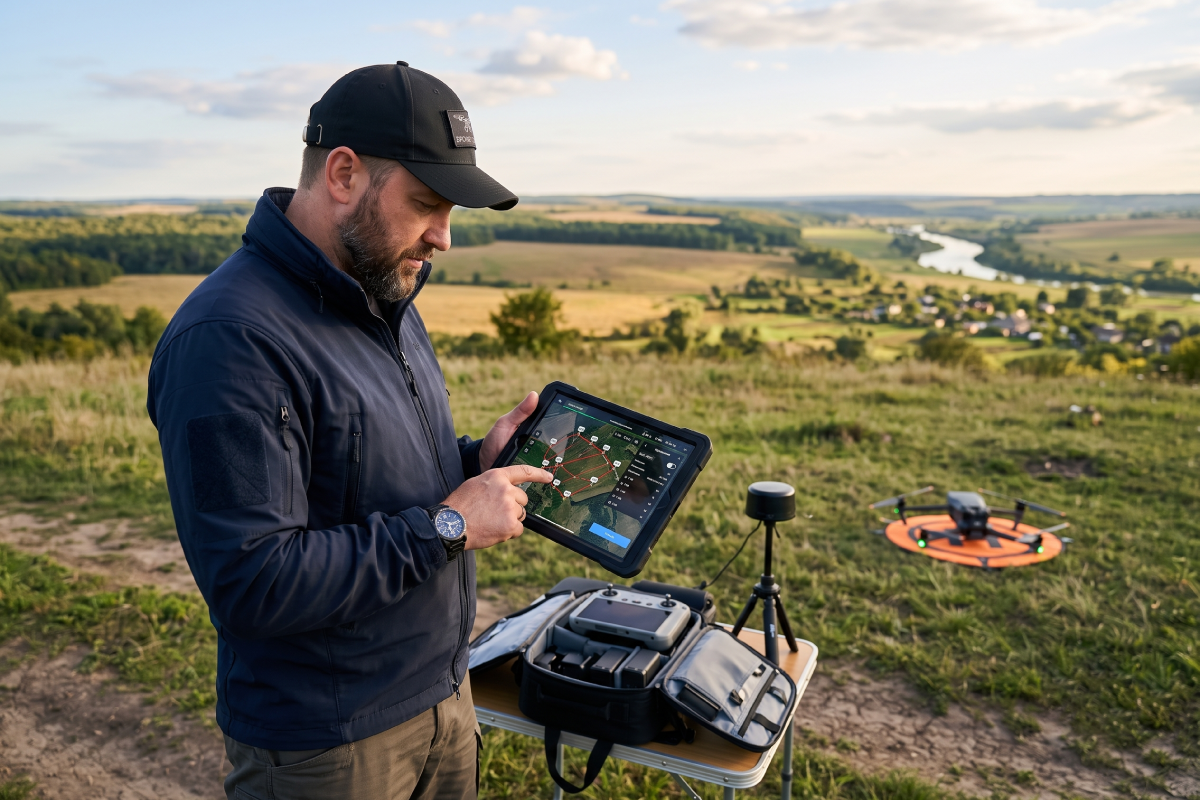
If you’re asking, “Where can I fly my drone near me?”, the drone assist app is the easiest way to get a clear answer. It shows a map with different colors to help you understand where you can safely fly and where restrictions apply.
Green areas usually mean low risk, amber suggests caution, and red marks no-fly zones or heavily restricted airspace. The app also displays live NOTAM updates, so you can see temporary changes, such as emergency restrictions or special events, that affect your flight.
In the UK, hobby pilots don’t need to check in before flying in the open category, but checking the app is still a smart habit. It helps you avoid problems and makes it easier to understand where you can fly your drone, with the area mapped out before you even leave home.
Flying in National Parks and Protected Areas
Flying in UK national parks can be tricky. There is no full ban, but local rules often apply. Some parks ask drone users to avoid certain areas, especially where wildlife may be disturbed.
Extra care is needed in protected zones like SSSIs, where flights may be limited during nesting seasons. In cities, royal parks such as Hyde Park have strict local rules and are often treated as prohibited areas. Before flying, always check signs and local bylaws, or contact park authorities, to stay on the safe side.
Urban Flying Rules: London and Other UK Cities
Flying in cities is much more restricted than in rural areas. If you’re checking where you can fly your drone, maps will often show limitations in large urban zones. London, for example, has permanent flight zone restrictions around major airports and sensitive locations.
When flying in cities, follow these basic rules:
- Do not fly over crowds or busy streets without permission.
- Keep a safe distance from people, based on your drone class and A1/A3 category.
- Always follow privacy laws – recording people without consent can cause legal issues.
- Be aware of local restrictions in historic areas like old town centers.
Urban flying requires more attention. In many cases, it’s better to choose quieter areas to avoid risk.
Best Places to Fly a Drone in the UK
If you want a smooth and stress-free flight, it’s best to choose open and quiet locations. Less crowded areas mean fewer restrictions and more space to control your drone safely.
Good places to consider include:
- Coastal cliffs and beaches – plenty of open space and fewer people.
- Rural fields or farmland (with landowner permission) – ideal for landscape footage.
- Model aircraft clubs – these locations often have approved flying areas.
- Reservoirs and hills – wide views and minimal obstacles.
It’s also useful to check local communities and forums. Pilots often share real locations that work well. You can also stop by a drone store for practical advice tailored to your area.
Buying Compliant Drone Equipment for UK Airspace
Choosing the right drone makes flying much easier. In the UK, many pilots prefer sub-250g models because they come with fewer restrictions. The DJI Mini series is a common choice, but even these drones still need an Operator ID if they have a camera.
When you plan to buy drones online, always check that the model complies with UK rules. Look for proper class markings (C0–C4) or compatibility with current regulations. This helps you comply with UK drone laws without extra paperwork.
It’s also worth getting advice before buying. A reliable drone store can help you choose equipment that fits your needs and helps you avoid problems later.
Frequently Asked Questions (FAQ)
Can I fly my drone at night in the UK?
Yes, night flying is allowed in the open category. Your drone must have a green flashing light to stay visible. You also need to keep VLOS, meaning you always know where it is. Some restricted airspace may have extra limits at night, so always check before flying.
Do I need a Flyer ID for a drone under 250g?
If your sub-250g drone has a camera, you still need an Operator ID. A Flyer ID is required for anyone who controls the drone. The test is free and is conducted by the CAA (Civil Aviation Authority).
Is drone insurance mandatory for hobbyists in the UK?
No, insurance is not required by law for hobby flying. Still, many pilots use it to cover possible damage or accidents.
Can I use my EU drone license in the UK?
No. UK and EU licenses are separate. You must follow UK rules and register with the CAA (Civil Aviation Authority).
What are the penalties for flying in a No-Fly Zone in the UK?
Flying in no-fly zones can lead to fines or more serious consequences, especially near airports.
Is FPV flying legal in the UK?
Yes, but you need an observer who keeps VLOS at all times.